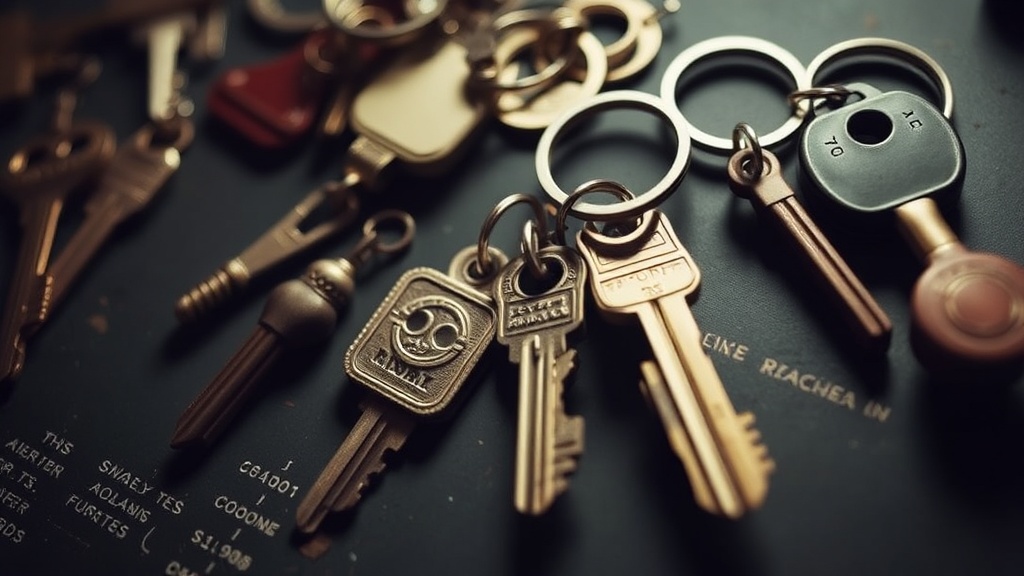
5 Rare Vintage Keychains Every Collector Should Hunt For

1950s Coca-Cola Advertising Keychains
Disney Character Keychains from the 1960s
Vintage Hotel Souvenir Keychains
Rare PEZ Keychain Dispensers
Automotive Advertising Keychains
Vintage keychains represent one of the most accessible entry points into serious collecting—small enough to store by the hundreds, yet packed with history, craftsmanship, and surprising value. This guide covers five rare vintage keychains that consistently appreciate in worth and remain highly sought after at estate sales, online auctions, and specialty dealers. You'll learn what makes each piece special, where to find them, and what condition issues to watch for before making an offer.
What Makes a Vintage Keychain Valuable to Collectors?
Condition, rarity, and provenance drive the market. A mint-in-box 1960s Ford Mustang fob can command $200 while the same piece with scratches and no packaging barely fetches $20. The catch? Most sellers don't know what they have—which creates opportunity for informed buyers.
The vintage keychain market splits roughly into three categories: automotive promotional items (the biggest segment), advertising premiums from restaurants and breweries, and character licensing pieces from Disney, Warner Bros., and Japanese anime studios. Each category has its own grading standards and price benchmarks.
Serious collectors focus on pieces manufactured before 1980, when most companies still used metal castings, enamel work, and leather rather than cheap injection-molded plastics. The weight of a keychain often signals quality. If it feels substantial in your hand, chances are it's from an era when durability mattered.
1960s-70s Detroit Automotive Keychains
American car culture produced some of the most collectible vintage keychains ever made. Dealerships and manufacturers gave away these metal fobs as promotional items, often customizing them with local dealer names and phone numbers.
The Ford Blue Oval brass keychain from 1965-1972 stands out. These were cast in solid brass with a distinctive blue enamel inlay. Original pieces weigh approximately 42 grams and feature a small "Ford Motor Company" stamp on the reverse. Reproductions from the 1990s exist but use lighter zinc alloy and brighter, almost electric blue paint.
Chevrolet's bowtie emblem leather fobs from the same era command premium prices—especially the red leather versions distributed at Corvette shows in 1967 and 1969. Complete examples with original brass hardware and minimal leather cracking routinely sell for $150-$300 at Heritage Auctions automotive memorabilia events.
Here's the thing: most automotive keychains weren't meant to last. They lived in pockets, on grimy key rings, exposed to weather and wear. Finding one in excellent condition requires patience—and a willingness to pay accordingly.
Worth noting: Dealer-branded pieces often outperform generic manufacturer fobs. A standard Chevrolet fob might bring $40 while the same design stamped "Johnson Chevrolet—Tulsa, Oklahoma" can double that value. Regional dealership items were produced in smaller quantities and rarely survived.
Are Pre-1980s Advertising Keychains Worth Collecting?
Yes—especially brewery, gasoline, and airline premiums from the 1950s through 1970s. These weren't sold; they were given away as customer incentives, making original pieces genuine artifacts of mid-century American commerce.
The Shell Oil " clamshell" brass keychains from 1958-1964 represent the gold standard. Shell's marketing department commissioned these heavy brass pieces shaped like scallop shells, often with enamel coloring in yellow and red. The best examples feature the "Shell" script logo in raised metal rather than printed.
Brewery advertising keychains present another rich hunting ground. The Schlitz "beer barrel" fobs from the 1960s—shaped like miniature wooden barrels with metal bands—consistently attract bidder attention. Authentic pieces have a small "Made in USA" stamp near the base and original dark stain on the wood. Reproductions use lighter wood (often pine instead of oak) and brighter varnish.
Airline keychains from defunct carriers carry particular nostalgia value. Eastern Air Lines and Pan Am metal fobs from the 1960s and 70s—especially those featuring their iconic logos—trade regularly on eBay and at aviation memorabilia shows. The Pan Am "blue globe" design with original paint commands $75-$150 depending on condition.
| Category | Keychain Type | Typical Price Range | Condition Factors |
|---|---|---|---|
| Automotive | Ford Brass Oval (1965-72) | $80-$200 | Enamel intact, no brass corrosion |
| Automotive | Chevrolet Leather Corvette Fob | $150-$300 | Original hardware, minimal cracking |
| Gas/Oil | Shell Clamshell Brass | $60-$150 | Enamel coloring present, no dents |
| Brewery | Schlitz Barrel (1960s) | $40-$90 | Original stain, intact metal bands |
| Airline | Pan Am Blue Globe | $75-$150 | Paint 80%+, no structural damage |
Where Do Collectors Find Rare Vintage Keychains?
Estate sales in Rust Belt cities—Detroit, Cleveland, Pittsburgh—regularly yield automotive promotional items from retirees who spent careers in manufacturing. These sales often price keychains at $1-$5 because organizers mistake them for modern trinkets.
Specialized dealers offer authenticated pieces with documented provenance. Key Soul Collectibles and similar niche retailers focus specifically on vintage fobs and key rings, providing grading standards that general antique dealers often lack. You'll pay retail prices—typically 40-60% above estate sale finds—but authentication matters when you're spending $200+ on a single piece.
Online marketplaces require caution. eBay listings often misdate items, calling 1990s reproductions "vintage" or describing modern Chinese imports as "mid-century." Look for seller photos showing maker's marks, weight specifications, and close-ups of wear patterns. Authentic vintage brass develops a specific patina—darker in recessed areas, lighter on raised surfaces—that's difficult to fake convincingly.
Japanese auction sites like Yahoo Japan Auctions occasionally surface rare American automotive keychains that traveled overseas with military personnel or collectors. The shipping costs sting, but competition is often lighter than on domestic platforms.
Character and Novelty Keychains from the 1960s-70s
Licensing agreements from the mid-20th century produced small runs of character keychains that never achieved mainstream distribution. These limited production runs make them genuinely scarce today.
The Disneyland cast member keychains from 1955-1965 represent holy-grail finds for Disneyana collectors. These weren't sold in gift shops— they were issued to park employees with specific role designations. The Tomorrowland rocket-shaped fob from 1959, issued during the "Disneyland '59" expansion, trades hands for $400+ when authenticated.
Japanese Ultra Series (Ultraman) metal keychains from 1966-1972 have gained significant value as tokusatsu fandom expanded globally. Original Bandai-manufactured pieces feature sharp casting details and substantial weight. Bootlegs from Taiwan and Hong Kong flooded markets in the 1970s but used softer metal alloys and sloppier paint applications.
That said, condition issues plague character pieces more than automotive items. Children owned these. Paint loss, broken attachment rings, and surface wear are standard. Finding a mint example often means discovering "new old stock"—unsold inventory from defunct gift shops or distributors.
The Smokey Bear U.S. Forest Service keychains from 1964-1974 present an interesting collecting angle. The Forest Service distributed these as fire prevention incentives, and several variants exist including metal medallions, plastic figures, and leather-stamped versions. The 1964 "Only You" medallion in original packaging recently sold for $285 at a Morphy Auctions advertising memorabilia sale.
How Should You Store and Display a Vintage Keychain Collection?
Proper storage prevents the deterioration that destroys value. Brass and copper pieces need low-humidity environments—excess moisture creates verdigris that etches permanently into metal surfaces. Silica gel packets in storage containers help, as does avoiding plastic bags that trap condensation.
Leather fobs require different care. Full dryness cracks leather irreversibly, while excessive humidity promotes mold. Stable room temperature with moderate humidity (40-50%) works best. Condition leather annually with a neutral pH conditioner—nothing heavy or greasy that attracts dust.
Display options range from simple cork boards to custom shadow boxes with UV-protective glass. Direct sunlight fades enamel and printed graphics within months. If you're showing pieces in a home office or collection room, position displays away from windows or invest in archival-quality UV filtration.
Documentation matters for insurance and resale. Photograph each piece from multiple angles, record dimensions and weight, and note any maker's marks or stamps. Maintain a spreadsheet tracking purchase date, source, and price paid. This paperwork establishes provenance and supports valuation if you later sell or donate pieces.
The vintage keychain market continues maturing as younger collectors discover these compact, affordable artifacts. Unlike larger collectibles requiring dedicated display space, keychains fit in desk drawers yet carry genuine historical weight. Whether you're drawn to Detroit automotive history, mid-century advertising art, or character nostalgia, five well-chosen pieces can anchor a collection that brings genuine satisfaction—and potentially appreciates significantly over time.