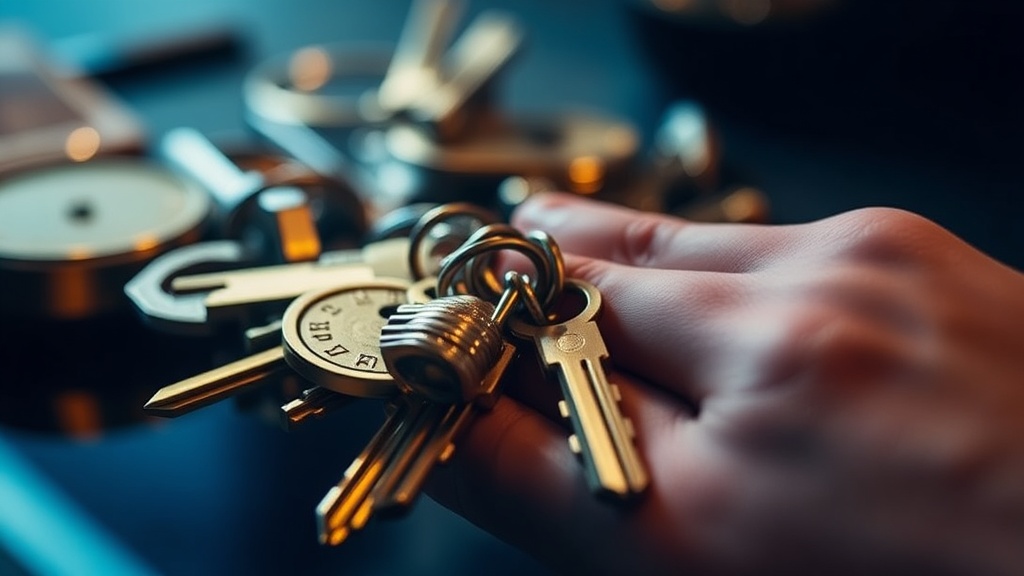
Gentle Revival: Cleaning and Caring for Your Cherished Keychains

When you unearth a forgotten keychain, perhaps one from childhood or a recent vintage market find, what often greets you isn't its vibrant former glory, but a dull, grimy artifact. Surface grime, tarnished metal, or cloudy plastic can obscure the very details that make a piece special. This isn't just about aesthetics, though; proper cleaning and care are vital for preserving these small pieces of history. They help stop further deterioration, reveal hidden beauty, and maintain the integrity of your collection. This guide will walk you through safe, effective methods to restore and protect your keychains, ensuring they remain treasured objects for years to come.
Imagine finding a mid-century souvenir keychain from a roadside attraction—its bright enamel dulled by decades of accumulated dirt, its once-shiny chrome showing a greenish film. Or perhaps a leather fob, stiff and dusty, its stamped logo barely visible. It’s a common scenario for collectors, and confronting such grime can feel daunting. But with the right approach, many keychains can be brought back to life without damaging their unique character. We're going to cover how to assess, clean, and ultimately care for your diverse collection.
Why do keychains get so dirty, anyway?
It’s a fair question, especially since keychains spend most of their lives jingling in pockets or hanging quietly on boards. The culprits are often insidious, working slowly over time. The most obvious is simply environmental exposure: dust, lint, and general airborne pollutants settle on surfaces, forming a sticky layer. Then there are the oils from our hands, transferring with every touch, attracting even more dirt. Metal keychains, particularly those made of brass, copper, or sterling silver, are susceptible to oxidation, which results in the familiar dark tarnish or, in the case of copper, that characteristic green verdigris. Plastics and enamels, while not tarnishing in the same way, can become cloudy, scratched, or yellowed from UV light and general wear. Even materials like leather can dry out, crack, and accumulate surface dirt. Each material has its own vulnerabilities, making a one-size-fits-all cleaning approach problematic, even dangerous.
Understanding these underlying causes helps us choose the appropriate cleaning strategy. We wouldn't use a harsh abrasive on delicate enamel, just as we wouldn't soak a leather piece in water. The goal is always conservation, not just superficial cleaning, which means preserving the material itself while removing the unsightly dirt.
What cleaning methods are safe for different materials?
The key to successful keychain restoration lies in matching the cleaning method to the material. Always start with the gentlest approach and escalate only if necessary. And remember: always test any cleaning solution on a small, inconspicuous area first!
Metal Keychains (Brass, Copper, Pewter, Chrome, etc.)
Metal keychains present a range of cleaning challenges, primarily tarnish and surface dirt. For most metals, a gentle bath is often your first line of defense.
- General Dirt & Light Grime: Fill a small bowl with warm (not hot) water and add a drop of mild dish soap. Use a soft-bristled toothbrush or a cotton swab to gently scrub away surface dirt. Rinse thoroughly under cool, running water, and immediately dry completely with a soft, lint-free cloth. Residual moisture can lead to new tarnishing or water spots.
- Tarnish (Sterling Silver, Brass, Copper): For silver, a specialized polishing cloth often works wonders for light tarnish. For heavier tarnish on solid silver (not silver-plated items, which can be damaged by this method), consider a chemical-free method: line a glass bowl with aluminum foil, add hot water, a tablespoon of baking soda, and a tablespoon of salt. Submerge the silver item, ensuring it touches the foil, and watch the tarnish transfer. Rinse and dry thoroughly. For brass and copper, a paste made of equal parts flour, salt, and white vinegar can be applied, left for 10-15 minutes, then gently rubbed off and rinsed. A good resource for understanding metal care can be found on sites dedicated to antique restoration, such as