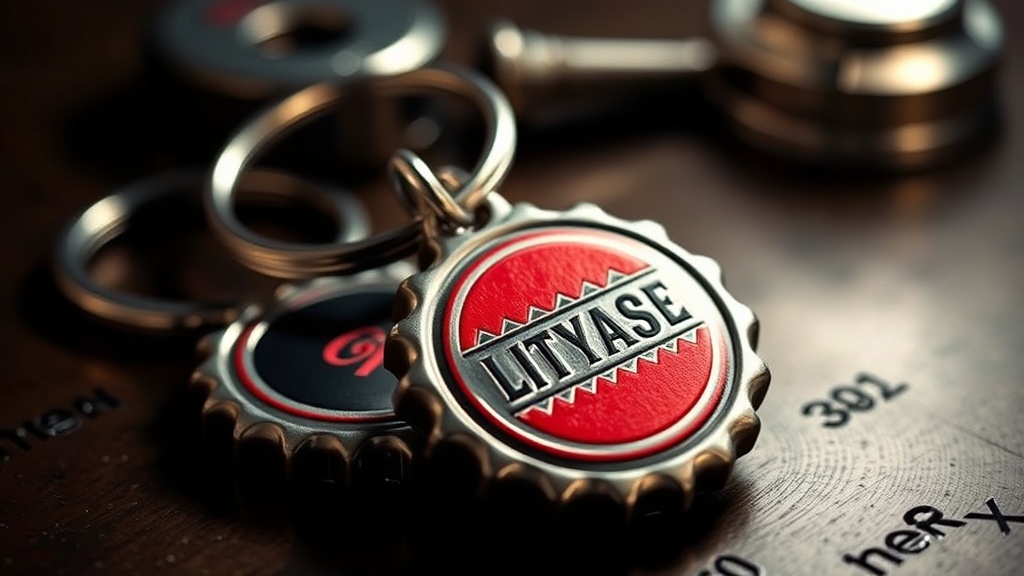
How to Keep Your Bottle Cap Keychains Shiny for Years

Quick Tip
Wipe your metal bottle cap keychains with a soft dry cloth after daily use to remove skin oils and moisture that cause tarnish.
Bottle cap keychains take a beating. They jangle in pockets, scrape against car keys, and face humidity, spills, and sun exposure daily. This post breaks down simple, proven ways to protect that finish — whether the piece features a vintage Coca-Cola crown cap or a modern craft brewery lid — so it stays display-worthy for years.
What's the Best Way to Clean a Bottle Cap Keychain Without Damaging It?
The safest method is a gentle hand wash with mild dish soap and lukewarm water. (Harsh chemicals and abrasive scrubbers are the enemy here.) Mix a few drops of Dawn Ultra Dish Soap into a small bowl, dip a soft microfiber cloth, and wipe the cap and ring gently. Rinse under a thin stream of water, then pat completely dry with a clean towel.
For stubborn grime caught around the crimped edge, a soft-bristled toothbrush works well. Work slowly — too much pressure can lift printed graphics or scratch epoxy coatings. Never run bottle cap keychains through the dishwasher. The high heat and harsh detergents will warp the metal and cloud any resin dome.
How Do You Prevent Rust and Tarnish on Metal Keychains?
Moisture control and a protective barrier are the two keys. Start by drying the cap thoroughly after every cleaning. Then apply a thin layer of protection. Many collectors swear by Renaissance Wax — a microcrystalline museum-grade wax used by conservators at the British Museum. It seals metal without leaving a greasy film.
Here's the thing: not all keychains are stored the same way. The ring, split ring, and jump ring matter just as much as the cap. Stainless steel rings resist rust far better than standard nickel-plated hardware. Worth noting — if the keychain lives on a boat, in a gym bag, or anywhere near salt air, rust risk spikes. In those cases, reapply wax every three to four months.
| Protective Product | Best For | Reapply Frequency |
|---|---|---|
| Renaissance Wax | Vintage caps, painted finishes | Every 6 months |
| Boeshield T-9 | Steel rings, high-humidity areas | Every 3–4 months |
| Clear Nail Polish (thin coat) | Jump rings, small touch-ups | Every 2–3 months |
| 3M Scotchgold Anti-Tarnish Strips | Drawer storage, display cases | Replace every 6 months |
The catch? Wax won't save a keychain that's already pitted. If rust has started, remove it with a fiberglass scratch brush (the kind jewellers use) before sealing. Otherwise, the corrosion spreads underneath the wax layer.
Should Bottle Cap Keychains Be Stored or Carried Daily?
Rotation is the smart play. Carrying the same bottle cap keychain every day accelerates wear — friction dulls the finish, and UV exposure fades bright colors over time. Brooklyn collectors who frequent markets like Brooklyn Flea often keep a "daily driver" on the ring while storing prized pieces in archival boxes.
A few habits make a difference:
- Keep display pieces out of direct sunlight — UV rays break down ink and resin domes fast.
- Use polypropylene card pages or small acrylic cases for storage; PVC off-gasses and can yellow caps.
- Detach keychains from heavy sets — the constant clanking against car fobs and bottle openers chips edges.
That said, these items were made to be seen. There's no shame in carrying a favorite brew cap on a set of keys. Just give it a quick wipe-down once a week and check the ring for looseness. A few minutes of care beats trying to restore a faded cap later — some colors, once gone, never come back.