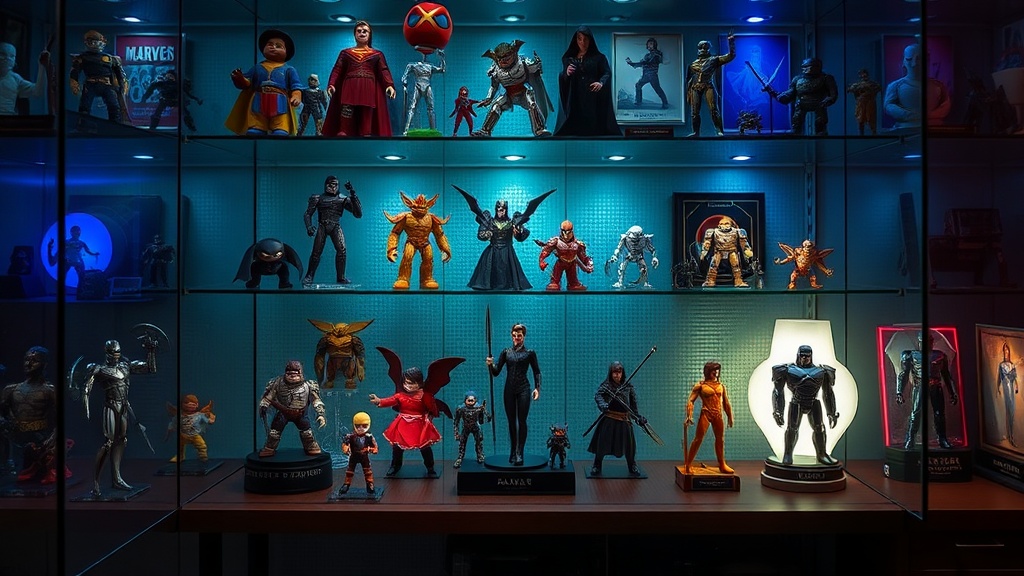
How to Organize Your Collectibles When You Don't Have a Display Case

What do you do when your collection outgrows your shelf space but you aren't ready to invest in custom cabinetry? Most collectors hit this wall eventually—especially those of us working with smalls like keychains, bottle caps, and vintage glass. You don't need a museum-grade setup to keep things organized, protected, and actually enjoyable to look at. This post covers practical, budget-friendly ways to store and arrange your collectibles using items you probably already have lying around.
What Everyday Items Work Best for Storing Small Collectibles?
You'd be surprised how many storage solutions are hiding in your junk drawer. Glass jars—mason jars, old peanut butter containers, spice bottles—are perfect for bottle caps and small metal charms. The transparency lets you see what you've got without rummaging, and the seal keeps dust and moisture out. I've seen collectors use everything from antique apothecary jars to repurposed pasta sauce containers. The key is cleaning them thoroughly and making sure they're completely dry before adding anything metal.
Ice cube trays are another underrated option. Those flexible silicone ones are ideal for organizing keychains by theme, color, or era. You can slide the whole tray into a drawer and pull it out when you want to browse. Egg cartons work in a pinch for lighter items—though I'd avoid them for heavy glass bottles. Shadow boxes are fantastic if you want something wall-mounted, and you can often find them at thrift stores for a few dollars.
Here's the thing about improvised storage: it doesn't have to look Pinterest-perfect. Your collection is personal. What matters is that you can find what you're looking for and that your items aren't getting damaged. That said, if aesthetics matter to you (and they do to me), grouping similar containers together creates a cohesive look. A shelf of matching mason jars reads as intentional—even if you're just using what you had on hand.
How Do You Protect Fragile Items Without Professional Display Equipment?
Glass bottles and delicate ceramics make everyone nervous—especially if you have pets, kids, or a tendency to bump into furniture. The good news? You don't need a locking curio cabinet to keep them safe. Felt pads on the bottom of bottles prevent scratching and add grip so they don't slide around. You can buy sheets of adhesive felt at any craft store and cut them to size.
For smaller glass items, consider individual pouches. Velvet or microfiber jewelry bags—like the kind that come with new watches or sunglasses—work beautifully. They prevent items from knocking against each other and make it easy to transport pieces safely. I keep my more fragile bottle caps (yes, some are glass or have delicate enamel work) in labeled ziplock bags inside a shoebox. It's not glamorous, but nothing's broken in three years.
Acid-free tissue paper is worth the small investment if you're storing paper-based collectibles like vintage labels or cardboard advertising inserts. Regular paper will yellow and degrade over time. You can find archival-quality supplies at University Products, which specializes in museum-grade storage materials for private collectors.
One mistake I see often: stacking heavy items without support. If you're storing bottles in boxes, don't just pile them up. Use cardboard dividers—wine boxes from liquor stores are perfect for this. The built-in cells keep bottles separated and upright. Ask nicely at your local shop and they'll usually give you empties for free.
Can You Display Collectibles in a Way That Doesn't Look Cluttered?
There's a fine line between "curated collection" and "hoarder pile." The difference usually comes down to intentionality. When everything is visible at once, nothing stands out. That's why I recommend rotating your display rather than trying to show everything simultaneously.
Pick a theme for each season or month. Maybe it's all your vintage brewery keychains this month, and your international bottle caps next month. Store the rest out of sight. This approach keeps your space looking fresh and gives you something to look forward to when you swap things out. It also prevents UV damage from light exposure—something collectors rarely think about until they notice fading.
Vertical space is your friend. Wall-mounted spice racks, floating shelves, and even picture ledges (the shallow kind meant for framed photos) work beautifully for small items. Group pieces in odd numbers—threes and fives tend to look more balanced than even groupings. Leave some breathing room between objects. This isn't a warehouse; it's your home.
Labeling matters more than you'd think. Even if you're the only one who sees your collection, future-you will appreciate knowing what that weird metal thing is and where it came from. I use small adhesive labels on the back of items or on the containers themselves. Nothing fancy—just date, source, and any interesting context. This habit turns a random accumulation into a documented collection with provenance.
What About Organizing Items That Don't Fit Neat Categories?
Every collection has outliers—the weird stuff that doesn't match your main focus but you can't bring yourself to part with. Maybe it's a bottle cap from your favorite childhood soda, or a promotional keychain from a company that went bust decades ago. These pieces often carry the most personal meaning.
I keep a "memory box" separate from my organized collection. It's just a small wooden box I found at a flea market. Inside are the items that don't fit my strict categories but mean something to me. This approach lets me maintain order in my main collection without forcing emotional items into a system that doesn't suit them. You could use the same philosophy for pieces you're considering selling or trading—keep them in a holding area while you decide.
Digital organization helps too. I photograph everything and keep a simple spreadsheet with columns for: item description, date acquired, source, condition, and current location (which box or container). It sounds tedious, but it takes five minutes when you first get something and saves hours of searching later. Apps like Collectorz are designed specifically for this, though a Google Sheet works just as well for most of us.
The photography habit serves another purpose: insurance documentation. If disaster strikes—fire, flood, theft—you'll have proof of what you owned. Store these photos in the cloud, not just on your phone. It's one of those things you hope you never need but regret not having if the worst happens.
How Do You Maintain Organization Long-Term?
Here's the uncomfortable truth: any system you create will break down if you don't maintain it. Collections grow. New items arrive faster than old ones get organized. The trick is building habits, not perfect systems.
Set a monthly reminder to spend 30 minutes on collection maintenance. Use that time to clean dust off displayed items, check for any signs of damage or deterioration, and organize anything that's accumulated in your "to sort" pile. Don't let it go longer than a month—the pile becomes intimidating, and you'll avoid it entirely.
Be ruthless about letting things go. I know, I know—this is heresy in collector circles. But space is finite, and your tastes evolve. I have a one-in-one-out rule for keychains now. If I find something I absolutely must have, something else has to find a new home. This prevents the gradual takeover of your living space and keeps your collection focused on items you genuinely love.
Finally, connect with other collectors. Online forums, local clubs, and social media groups are invaluable for trading tips on storage solutions and learning from people who've been at this longer than you. The Bottle Cap Collectors Club has been around since 1975 and maintains active forums where members share photos of their storage setups. Sometimes the best ideas come from seeing how someone else solved the same problem you're facing.
Your collection should bring you joy—not stress. The right organization system is the one you'll actually use, not the one that looks best in a magazine spread. Start with what you have, iterate as you learn, and don't let the pursuit of perfect storage prevent you from enjoying the items you've gathered.