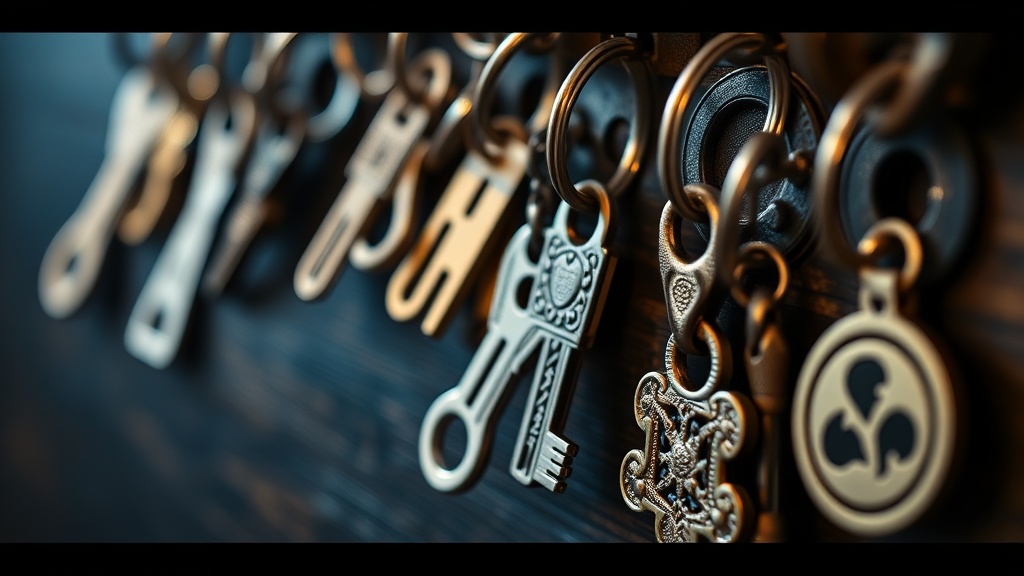
Selecting the Right Metal Finishes for Your Keychain Collection

You’re holding a high-end, die-cast metal keychain, but the finish looks dull, or worse, it’s starting to flake off after only a month of use. Choosing the wrong metal finish doesn't just affect the look of your collection; it dictates how long your pieces stay in "mint" condition. This guide breaks down the technical differences between common finishes like brushed nickel, antique brass, and gold plating so you can make informed decisions for your next acquisition.
Collectors often overlook the metal itself, focusing instead on the charm or the engraving. But if you’re collecting heavy-duty items like heavy-gauge steel carabiners or premium EDC (Everyday Carry) gear, the finish is what protects the core metal from oxidation and wear. We'll look at how different coatings react to skin oils, moisture, and friction.
What are the most common metal finishes for collectors?
The most common metal finishes found in high-end keychain collections are polished chrome, brushed nickel, antique brass, and PVD-coated stainless steel. Each of these serves a specific aesthetic and functional purpose depending on the vibe of your collection.
Polished finishes are high-shine and mirror-like. They look great on premium accessories, but they show fingerprints and micro-scratches almost immediately. If you want that "jewelry" look, this is it. However, if you’re a heavy user, you might find the constant cleaning a bit much.
Brushed or "satin" finishes are a different story. They feature fine lines etched into the surface to reduce glare. These are much more forgiving when it comes to daily wear and tear. If you’re looking at high-end brands like Patagonia for outdoor-themed gear, you’ll notice many metal components use a brushed finish to hide the inevitable scratches from being tossed in a bag or pocket.
Then there’s the "antique" look. Antique brass or bronze finishes are intentionally darkened in the recessed areas of the design. This creates depth and a sense of history. It’s a popular choice for collectors who prefer a vintage or "rugged" aesthetic over something that looks brand new and shiny.
A Quick Breakdown of Finishes
| Finish Type | Visual Character | Durability Rating | Best For |
|---|---|---|---|
| Polished Chrome | High Shine / Mirror | Moderate | Display-only pieces |
| Brushed Nickel | Matte / Subtle | High | Daily EDC gear |
| Antique Brass | Darkened / Aged | Very High | Vintage aesthetics |
| Black PVD | Deep Black / Sleek | Extreme | Modern/Tactical gear |
How do I prevent my metal keychains from tarnishing?
To prevent tarnishing, you should avoid frequent contact with moisture and use a specialized metal polish or a dry microfiber cloth for cleaning. Most high-quality keychains are made of stainless steel or brass, but the finish is the part that actually reacts to the environment.
The real enemy isn't just water—it's the acids in your skin. If you’re constantly handling your metal charms, the oils from your hands can eventually eat through a thin plating. This is why many collectors prefer Physical Vapor Deposition (PVD) coatings. PVD is a way of applying a thin, hard film to the surface of a metal. It’s incredibly durable and much more resistant to scratches than traditional electroplating.
If you notice a piece is looking a bit dull, don't reach for the heavy industrial cleaners. A simple solution of mild soap and warm water is usually enough. For deeper oxidation on brass-based pieces, a tiny amount of lemon juice and baking soda can work, but use it sparingly—too much acid can actually damage the finish you're trying to save.
One thing to watch out for is the "zinc alloy" trap. Many cheaper, mass-produced keychains use zinc alloys with a thin gold or silver plating. These are notorious for "pitting"—those tiny little holes that appear on the surface. If you're building a serious collection, aim for solid stainless steel or high-grade brass with a heavy plating. It’s a premium upgrade that pays off in longevity.
Does the metal type affect the weight of the keychain?
Yes, the base metal significantly impacts the weight, which is a major factor for those who care about the "heft" or "hand-feel" of their gear. A collector who wants a heavy, substantial feel should look for solid brass or stainless steel, while someone looking for lightweight utility should opt for aluminum or titanium.
Here is how the common materials stack up in terms of weight and feel:
- Brass: Heavy and substantial. It develops a patina over time, which many collectors love.
- Stainless Steel: Medium-heavy. It stays consistent and doesn't change color or weight over time.
- Aluminum: Very lightweight. Great for minimalist setups, but it lacks that "premium" weight.
- Titanium: Lightweight but extremely strong. It has a unique, high-tech feel and is very resistant to corrosion.
If you're a collector of "smalls"—those tiny, intricate pieces—weight might not matter as much as the visual texture. But if you're into the "heavy metal" side of the hobby, the difference between a hollow aluminum clip and a solid brass ring is night and day. The weight tells you something about the quality of the build.
It’s also worth noting the temperature. Solid metal pieces feel cold to the touch. This is a psychological cue for many collectors that the item is high-quality and "real." If you pick up a piece and it feels light and "plasticky," even if it's metal, it's likely a cheaper alloy with a thin coating.
I've seen collectors get caught up in the aesthetics of a gold-toned finish, only to realize the base metal is a cheap alloy that weighs almost nothing. Always check the specs. If a brand doesn't list the base material, assume it's a lower-grade zinc alloy. That's a red flag for anyone looking for long-term durability.
One thing to keep in mind: if you're using your keychain with heavy tools or in an outdoor environment, the weight and finish become even more vital. A heavy brass piece might be great for a desk display, but it might be too much for your pocket if you're hiking or running. Choose your materials based on how you actually live your life.
The choice between a polished look and a brushed look often comes down to how much you care about perfection. If you want every piece to look exactly like it did on day one, go with brushed nickel or PVD-coated steel. If you want a piece that tells a story through its wear and tear, go for brass or copper. Your collection should reflect your personal style—whether that's pristine and polished or rugged and lived-in.