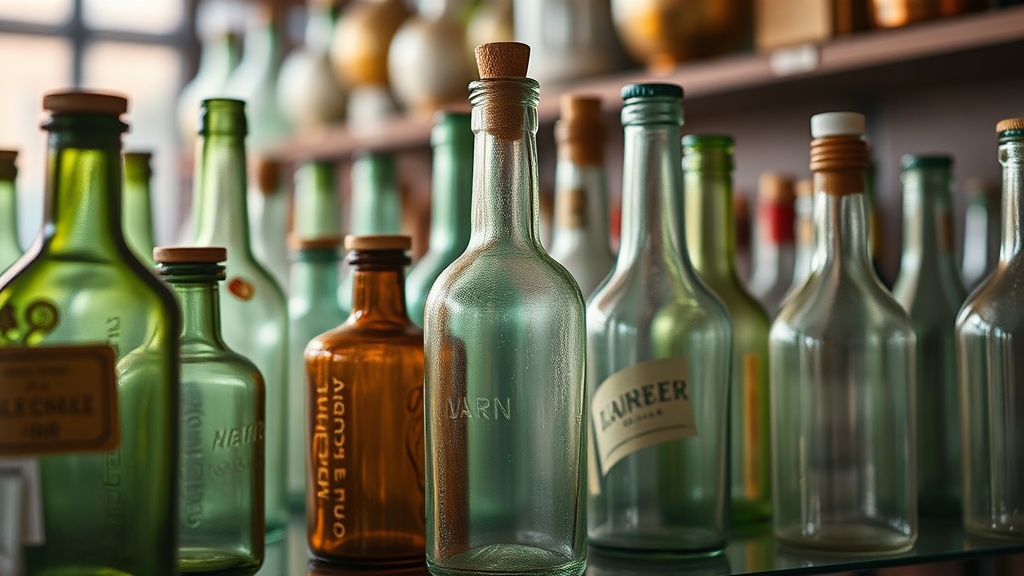
Sourcing Rare Glass Bottle Collectibles in Modern Markets

The Hidden Value of Rare Glass Formations
A single vintage soda bottle can weigh less than three ounces, yet its market value might exceed several hundred dollars if it possesses a specific maker's mark or a unique color tint. Collectors often overlook these small items because they don't command the same physical presence as large furniture or heavy coins. However, the rarity of glass is often tied to the fragility of the material itself—the more delicate the shape, the higher the demand among serious enthusiasts. Understanding the distinction between common apothecary bottles and high-value collectible glass is what separates a hobbyist from a true specialist.
When you're hunting for high-quality glass, you aren't just looking for any old container. You're looking for specific production eras, mold seams, and color-specific anomalies. The market for these items has shifted significantly as older, more traditional glass-making processes become even harder to replicate. This makes the ability to spot a genuine antique bottle actually quite difficult for the uninitiated. You might think a bottle is just a piece of junk from a thrift store, but a specific hue or a slightly irregular lip can signal a piece of history worth keeping.
Where can I find vintage glass bottles for my collection?
Finding quality pieces requires looking beyond the standard antique mall. While those are reliable, the best finds often happen in less obvious places. You'll find significant success at estate sales, particularly those involving old pharmacies or general stores. If you're looking for specific color-ware or medicinal bottles, checking online auction sites is a good start, but you have to be careful. Many sellers don't realize the value of what they are listing. I often suggest setting up alerts on sites like Etsy or specialized collector sites to catch a deal before the general public realizes what it is.
Local flea markets remain a gold mine if you have the patience to dig. Most people walk right past the crates of "old stuff" to find the polished items. This is where the real value lies. You'll need to bring a small flashlight to check the clarity of the glass and the depth of the color. Sometimes, a bottle looks dull because of a thin layer of grime, but once it's cleaned, the vibrant blue or amber might pop. Don't be afraid to ask the vendor if they've ever seen the piece before; sometimes they have a basic idea of what they're selling, even if they don't know the exact year of production.
How do I identify the age of a glass bottle?
The easiest way to estimate age is to look at the base and the neck. Before the mid-19th century, most bottles were hand-blown, which means they'll have slight imperfections and a "pontil scar" on the bottom. This is a mark left where the glass-making rod was detached. If you see a rough, unpolished spot on the bottom, you're likely looking at a much older piece. Modern machine-made bottles, on the other hand, are much more uniform and often have a visible seam running up the side and around the neck. If the seam is perfectly smooth and continuous, it's likely a modern reproduction.
Another tip is to look at the capacity markings. Older bottles often lacked standardized volume measurements on the glass itself. If you see embossed text or numbers, you can often trace the manufacturing era. For example, certain medicinal bottles have very specific shapes that were standardized during the late 1800s. For more technical details on glass-making history, the Smithsonian Institution provides extensive documentation on how glass-making technology evolved over the centuries. Studying these technical shifts helps you understand why certain shapes exist in the first place.
A Quick Reference for Glass Types
| Glass Type | Common Characteristics | Value Indicator |
|---|---|---|
| Hand-Blown | Irregularities, Pontil mark, varying thickness | High (if rare color/shape) |
| Mold-Blown | Visible seam, more uniform shape | Medium |
| Machine-Made | Perfectly smooth seams, consistent thickness | Low |
Always remember that even a "cheap" looking bottle might have a story. A common amber bottle might not break the bank, but it serves as a great foundation for a display. When you're starting out, don't feel the need to buy only the most expensive pieces. Building a collection is about the slow accumulation of interesting forms and colors. A cohesive collection of common bottles can look just as impressive as a few high-end pieces if they are displayed with intention and care.
What are the best ways to display glass collections?
Displaying glass is a balancing act between aesthetics and safety. Because glass is heavy and can be easily knocked over, your shelving needs to be sturdy. I've seen many collectors ruin a beautiful display because they used flimsy, lightweight plastic shelves that couldn't handle the weight of twenty heavy glass bottles. Wood is generally the best choice. It provides a natural, classic look that complements the organic shapes of vintage glass. If you're using a glass cabinet, ensure the lighting doesn't create too much glare, which can hide the fine details of the bottle's color.
Avoid direct sunlight if possible. While it looks great under a bright light, UV rays can actually cause some certain types of colored glass to fade or change over time. This is especially true for certain types of cobalt and deep greens. If you're displaying your collection in a living area, consider using LED lights—they produce very little heat and won't cause the temperature fluctuations that could potentially stress the glass. Also, keep your bottles in a way that they aren't constantly being touched; skin oils can leave marks that are difficult to remove from certain types of old, porous glass.
If you're worried about breakage, consider using small, clear silicone bumpers between the bottles. This prevents them from clinking together if the shelf is bumped. It also keeps them from sliding around. For a more professional look, group your bottles by color or height. This creates a visual flow that is much more pleasing to the eye than a random assortment of different sizes. A well-organized collection tells a story of a specific era or a specific type of manufacturing, making it much more engaging for anyone viewing your display.