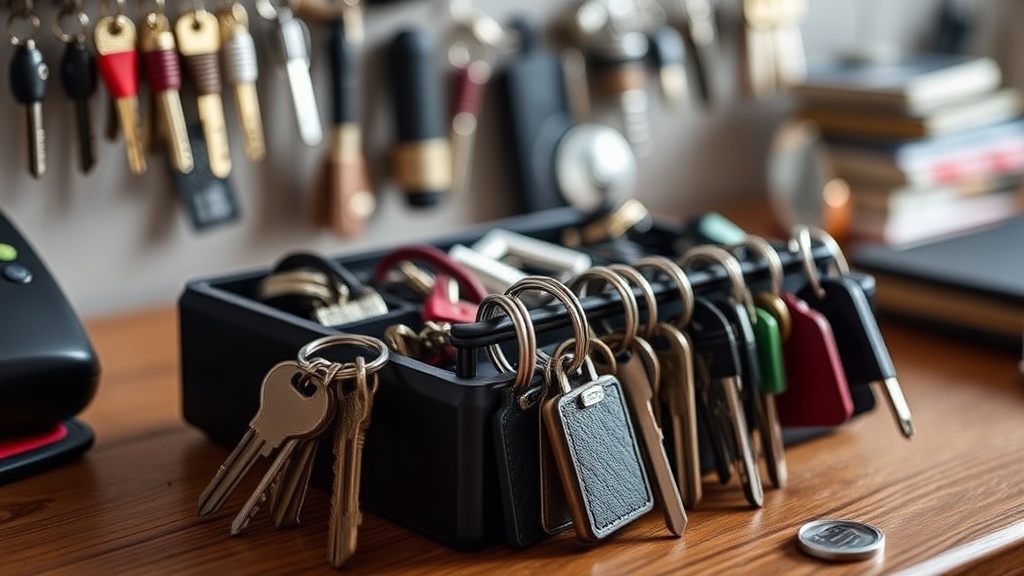
Choosing the Best Storage Solutions for Your Keychain Collection

Where do you put a collection that refuses to stay in a single drawer? Most collectors start with a small pile of charms or a single ring, but eventually, the clutter takes over. This guide breaks down the best ways to organize, display, and protect your keychains, bottles, and small-scale collectibles based on their specific material needs.
How Do I Prevent Metal Oxidation on My Keychains?
The best way to prevent oxidation is to use airtight containers or humidity-controlled environments. Metal reacts to the air around it—especially if you live in a humid area like Brooklyn or near a coast—and can develop a patina or even rust if left exposed. If you have high-end pieces with brass or copper elements, you need to be even more careful.
Standard plastic bins are fine for cheap acrylic charms, but they won't cut it for vintage metal pieces. I've found that using silica gel packets inside your storage bins makes a massive difference. These little packets pull moisture out of the air, keeping your metal-heavy items looking fresh. It's a cheap trick that saves a lot of headache later.
If you're dealing with high-end collectors' items, look into specialized jewelry boxes. These often feature velvet linings that prevent the metal from scratching against other hard surfaces. A single rogue metal edge can ruin a polished finish—and that's a mistake you'll regret.
When you're dealing with different materials, you have to match the storage to the item. Here is a quick breakdown of what works best for different categories:
| Material Type | Best Storage Method | Key Protection Need |
|---|---|---|
| Acrylic/Plastic | Open display or clear bins | Avoid direct sunlight (UV damage) |
| Stainless Steel | Standard plastic organizers | Minimal (very durable) |
| Brass/Copper | Lined jewelry boxes | Oxidation prevention |
| Glass/Bottles | Padded dividers or foam | Impact protection |
What Is the Best Way to Display Small Bottles?
Vertical tiered shelving or specialized display cases are the best ways to display small bottles. Because bottles are often top-heavy or fragile, you can't just toss them into a deep bin and expect them to survive a move or even a heavy hand. You need stability.
I've seen people try to use standard spice racks for small bottle collections, but it's risky. If the bottles are glass, any slight vibration can lead to a "clink" that eventually results in a crack. Instead, look for display cases that have individual recessed slots. This keeps each bottle isolated from its neighbor. It's a bit more expensive, but it keeps the collection from becoming a pile of broken glass.
If you are collecting miniature bottles—think the kind found in hobby shops or even small perfume vials—you might want to consider a shadow box. It keeps them off the desk and away from accidental spills. Plus, it looks a lot more professional than a random shelf. If you're already thinking about how to make your items look better, you might want to check out how to make your collection look premium through better presentation.
Don't forget about the weight. Glass is heavy. If you're using a bookshelf, make sure it's a sturdy one. A flimsy particle-board shelf can bow under the weight of a large bottle collection over time.
How Can I Organize Small Charms and Caps?
Acrylic organizers with small, individual compartments are the gold standard for organizing small-scale items like caps and charms. You want something where you can see everything at a glance without having to dig through a pile. Digging through a pile is the fastest way to scratch a finished surface.
I'm a big fan of the clear plastic "bead organizers" you see in craft stores. They are inexpensive and perfect for keeping small-scale items separated. If you have a collection of metal caps or small branded items, these compartments prevent them from knocking against each other. It keeps the collection organized and, more importantly, it keeps the pieces from getting lost in the bottom of a drawer.
Here are a few tips for choosing the right organizer:
- Transparency: Always choose clear bins. If you can't see it, you'll forget you own it.
- Stackability: If you have a growing collection, look for modular units that can stack on top of each other.
- Seal Quality: For items sensitive to dust, look for containers with a tight-fitting lid.
One thing to watch out for is the "clutter creep." You buy one organizer, it fills up, and suddenly you're buying a second one. It's a slippery slope. Try to stick to a system that grows with you. If you're collecting metal pieces, you might want to research oxidation and metal aging to understand why certain environments are better for your specific stash.
It’s also worth noting that the way you store your items affects their resale value. If you ever decide to part with a piece, a collector will want to see that it hasn't been battered in a messy drawer. A clean, organized collection is a valuable collection.
If you're already deep into the hobby, you probably care about the details. You might have already looked into selecting the right metal finishes to ensure your pieces stay looking sharp. The storage solution is just the next logical step in that process.
For those who collect more technical or industrial-style smalls, look into heavy-duty hardware organizers. The ones used for screws and bolts are often much more durable than the cheap plastic ones found in the toy aisle. They offer a bit more structural integrity, which is great if you're storing heavier metal-based keychains.
The goal isn't just to keep things "neat." It's to preserve the integrity of the items. Whether it's a vintage bottle or a custom-made metal charm, the way you treat it now determines how it looks five years from today. Don't let a lack of organization turn your collection into a junk drawer.
Think about your space. Do you have a dedicated shelf, or are you using a desk drawer? A shelf allows for visual enjoyment, while a drawer is purely for protection. Most serious collectors end up doing a bit of both—displaying the "showpieces" and storing the "bulk" items in protected bins. It's a balance of form and function.
One final thought: always check the material of your container. If you're storing highly reactive metals, make sure the plastic or lining isn't going to cause a chemical reaction. It's a rare issue, but for serious collectors, it's something to keep in the back of your mind.