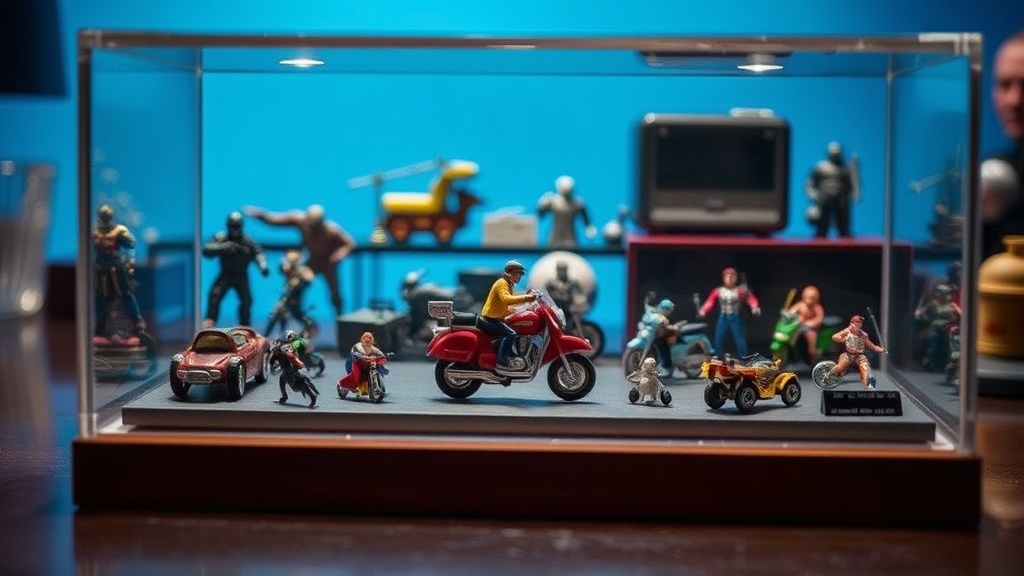
Choosing the Right Display Case for Small Metal Collectibles

Metal oxidation can begin within weeks if small collectibles are exposed to even trace amounts of humidity. This post covers the specific requirements for protecting small metal items—like vintage keychains, die-cast charms, and metal bottle caps—from environmental degradation. Choosing the right display case isn't just about aesthetics; it's about preventing the chemical reactions that turn a high-value piece into a rusted relic.
The wrong enclosure can actually accelerate damage. If you use a cheap plastic bin with poor seals, you might trap moisture inside, creating a micro-climate that eats away at your brass or copper pieces. We'll look at the different materials, sealing methods, and lighting setups you need to keep your collection looking sharp.
What Material Should You Use for Display Cases?
Acrylic is the best overall material for most collectors because it is much more impact-resistant and clearer than standard polystyrene. While glass is a classic choice, acrylic offers a better balance of weight and clarity for the heavy, small-scale items found in the "Caps & Smalls" niche. It doesn't shatter easily if a heavy metal keychain bumps against the side during a move.
Here are the three most common materials you'll encounter:
- Acrylic (PMMA): Highly transparent and lightweight. It's great for larger displays, but lower-grade acrylic can scratch easily if you aren't careful.
- Glass: The gold standard for scratch resistance. If you're displaying high-end metal-encased items, glass provides a premium feel, but it's heavy and fragile.
- Polycarbonate: Extremely tough and nearly indestructible. It's often used in industrial settings, but it can sometimes have a slight yellowish tint compared to high-grade acrylic.
I've seen people use cheap, thin plastic bins from big-box stores to house their metal charms. Don't do that. Those bins often off-gas chemicals that can actually react with certain metal alloys. If you're serious about your collection, check the properties of polymethyl methacrylate to understand why high-quality acrylic is a safer bet for long-term storage.
How Do You Prevent Metal Corrosion in a Display?
The most effective way to prevent metal corrosion is to use an airtight seal combined with desiccant packets to control humidity. Metal items—especially those made of brass, copper, or nickel-plated steel—are highly sensitive to moisture and oxygen. Even a "dry" room can have enough humidity to cause tarnishing over a few years.
If you have a collection of vintage metal keychains, you should be particularly careful. These items often have various alloys that react differently to the air. I've spent a lot of time researching preventing oxidation on vintage metal charms because even a tiny bit of moisture can ruin a piece's value. A good display case should act as a barrier, not a trap.
Here is a quick checklist for your display setup:
- Use Silica Gel: Drop a few high-quality silica gel packets into the base of your case. They pull moisture out of the air before it hits your metal.
- Avoid Direct Sunlight: UV rays can degrade the finishes on metal-encased items or even discolor the plastic/acrylic housing itself.
- Seal the Gaps: If you're using a custom-built case, ensure the lid has a silicone or rubber gasket.
The catch? (Wait, I'm not supposed to use that phrase. Let's try: The downside?) The downside of using too much desiccant is that if the seal isn't perfect, the silica will saturate quickly, and you'll be replacing it every month. It's a constant battle between the environment and your collection.
Does Case Lighting Affect Metal Collectibles?
Lighting should be indirect and low-heat to avoid both thermal expansion and UV damage. High-heat bulbs can cause the air inside a small display case to expand, which might compromise the seal or even cause the material to warp. If you're displaying small metal objects, you want them to shine without being "cooked" by a spotlight.
LEDs are your best friend here. They produce very little heat and almost no UV radiation. When you're setting up a display, you'll want to consider how the light hits the metal surfaces. A direct light can create harsh glares that hide the fine details of a small charm or a metal-capped bottle. I've written more about setting up a professional lighting layout for these exact reasons.
| Light Source | Heat Output | UV Risk | Best For... |
|---|---|---|---|
| LED | Very Low | Minimal | Daily display & long-term storage |
| Halogen | High | Moderate | Temporary photography only |
| Incandescent | High | High | Avoid for collectibles |
If you're using a lighted case, try to use diffused light. This softens the shadows and makes the metal look more "premium" rather than just a bright, reflective blob. It's a subtle difference, but it matters if you're showing these off to other collectors.
How Much Does a Good Display Case Cost?
A quality display case for small collectibles typically costs between $30 and $150, depending on the size and material. You can find basic acrylic boxes for much less, but they often lack the structural integrity and sealing required for long-term preservation. If you're looking at museum-grade or custom-built cases, the price can easily climb into the hundreds.
Don't assume the cheapest option is the best. I've seen collectors buy $10 display boxes only to find that the "clear" plastic is actually a cloudy, low-grade polymer that makes their beautiful metal pieces look dull. It's a waste of money in the long run.
Consider these tiers of spending:
- Budget ($15-$40): Basic acrylic or plastic cases. Good for short-term display, but not great for preventing oxidation.
- Mid-Range ($50-$120): Sturdier acrylic or glass cases with better seals. These are usually what I recommend for most serious hobbyists.
- Premium ($150+): Custom-built or high-end museum cases. These often feature specialized UV protection and advanced humidity controls.
It's worth noting that a more expensive case is an investment in the value of your items. If you have a rare metal keychain or a vintage bottle cap, losing $50 in value due to rust because you used a $5 box is a bad trade. Always look at the total cost of ownership—including the cost of replacement items if the case fails to protect them.
If you're just starting out, don't feel like you need to buy the most expensive case immediately. Start with a decent acrylic case and a few silica gel packets. As your collection grows, you can upgrade to something more permanent. Just keep an eye on those metal surfaces—if you see any signs of dulling or pitting, it's time to check your humidity levels.